Адрес компании:Floor 3-2, Building A, No. 3 Yongyi 6th Road, Yongxing Industrial Zone, Henglan Town, Zhongshan, Guangdong, China Контактные лица:Shawn Контактная информация:1388xx888xx Почтовый ящик:1388xx888xx@gmail.com

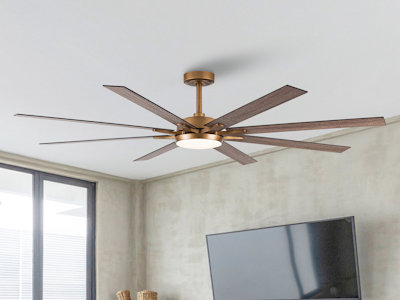
В современном мире, где энергетические ресурсы становятся все более ценными, а экологические проблемы требуют немедленного решения, энергоэффективные технологии играют ключевую роль. Одним из таких инновационных продуктов является потолочный вентилятор с энергоэффективным мотором. Эта технология не только обеспечивает комфортное охлаждение, но и значительно снижает потребление энергии, что делает ее настоящей революцией в области климатизации помещений. В этой статье мы подробно рассмотрим, что такое энергоэффективный мотор, как он работает, его преимущества, историю развития, сравнительный анализ с традиционными системами, экологические аспекты, практические советы по выбору и использованию, а также будущие тенденции.
Энергоэффективный мотор — это тип электродвигателя, специально разработанный для минимизации энергопотребления при сохранении высокой производительности. В контексте потолочных вентиляторов такие моторы используют передовые технологии, такие как бесщеточные двигатели постоянного тока (BLDC) или инверторные системы, которые позволяют достичь КПД до 90% и более. Для сравнения, традиционные моторы переменного тока часто имеют КПД около 60-70%, что означает значительные потери энергии в виде тепла.
Принцип работы энергоэффективного мотора основан на точном управлении скоростью вращения и минимизации трения. Благодаря электронным контроллерам, такие моторы могут адаптироваться к изменяющимся условиям, например, автоматически снижать скорость, когда в помещении прохладно, что дополнительно экономит энергию. Это делает их идеальными для использования в жилых и коммерческих помещениях, где важно поддерживать комфортный микроклимат без лишних затрат.
Энергоэффективные моторы предлагают множество преимуществ по сравнению с традиционными аналогами. Во-первых, они значительно снижают потребление электроэнергии — на 50% и более. Это не только экономит деньги на счетах за электричество, но и уменьшает нагрузку на энергосистемы, что особенно важно в регионах с дефицитом энергии.
Во-вторых, такие моторы работают практически бесшумно, обеспечивая комфортную атмосферу в помещении. Традиционные вентиляторы часто издают гул или вибрацию, что может мешать сну или работе. Энергоэффективные модели, благодаря современным технологиям, минимизируют шум, делая их идеальными для спален, офисов и других чувствительных к шуму зон.
В-третьих, они имеют более длительный срок службы. Меньшее тепловыделение и reduced wear and tear due to efficient operation mean that these motors can last up to 50,000 hours or more, compared to 20,000-30,000 hours for conventional motors. This reduces the need for frequent replacements and maintenance, further contributing to cost savings and environmental sustainability.
Кроме того, энергоэффективные моторы often come with smart features, such as remote control, integration with home automation systems, and programmable settings. This allows users to customize their cooling experience, for example, setting schedules or adjusting speed based on room temperature, which enhances convenience and efficiency.
Развитие энергоэффективных моторов для вентиляторов началось в конце 20 века, с ростом осознания проблем энергосбережения и экологии. Первые попытки улучшить efficiency были сосредоточены на использовании двигателей переменного тока с improved designs, but significant breakthroughs came with the advent of brushless DC motors in the 1990s. These motors, originally developed for applications like computer fans and drones, were adapted for household appliances due to their high efficiency and reliability.
В 2000-х годах, с развитием электроники и микроконтроллеров, стали появляться инверторные технологии, которые позволили further optimize motor performance. Companies like Panasonic, Mitsubishi, and startups began incorporating these technologies into ceiling fans, leading to the first commercially successful energy-efficient models. Government incentives and energy efficiency standards, such as Energy Star in the US or similar programs in Europe and Asia, accelerated adoption by promoting products that meet strict efficiency criteria.
Сегодня, энергоэффективные моторы являются стандартом в premium segment of the market, and their technology continues to evolve. Research is focused on materials science, such as using rare-earth magnets for higher efficiency, and integration with IoT for smarter energy management. The history shows a clear trend towards greater efficiency and sustainability, driven by consumer demand and regulatory pressures.
Чтобы fully appreciate the revolution brought by energy-efficient motors, it's essential to compare them with traditional cooling systems. Conventional ceiling fans typically use AC induction motors, which are simple and cheap but inefficient. They consume more power, generate more heat, and have limited speed control options. In contrast, energy-efficient motors with BLDC or inverter technology offer superior performance.
For example, a traditional fan might consume 70-100 watts on high speed, while an energy-efficient model uses only 30-50 watts for the same airflow. This difference becomes substantial over time;假设 daily use of 8 hours, the energy-efficient fan saves about 0.4-0.8 kWh per day, which translates to significant cost savings annually, especially in regions with high electricity rates.
Moreover, traditional systems often rely on mechanical switches for speed control, which can be imprecise and energy-wasting. Energy-efficient fans use electronic controls that allow seamless adjustment and automation. They also produce less noise and vibration, enhancing user comfort. In terms of environmental impact, the reduced energy consumption means lower carbon emissions, contributing to climate change mitigation efforts.
Air conditioners, another common cooling method, are even more energy-intensive, consuming 500-1500 watts or more. While fans don't lower temperature like ACs, they provide effective cooling through air movement, and when combined with energy-efficient motors, they offer a sustainable alternative or complement to AC systems, reducing overall energy use in buildings.
Энергоэффективные моторы play a crucial role in promoting environmental sustainability. By reducing electricity consumption, they decrease the demand for fossil fuel-based power generation, which is a major source of greenhouse gas emissions. For instance, if every household switched to an energy-efficient ceiling fan, the collective energy savings could equivalent to taking millions of cars off the road annually in terms of CO2 reduction.
Additionally, the longer lifespan of these motors means less electronic waste. Traditional motors often need replacement every 5-10 years, contributing to landfill problems. Energy-efficient models, with durability of 10-15 years or more, reduce waste and the environmental cost of manufacturing new products. Many manufacturers are also adopting eco-friendly materials, such as recyclable plastics and metals, and implementing take-back programs for old units.
Furthermore, the production processes for energy-efficient motors are becoming greener. Companies are investing in renewable energy for factories and reducing water usage and emissions during manufacturing. This holistic approach ensures that the entire lifecycle of the product—from production to disposal—is environmentally responsible.
Government policies and certifications, like Energy Star or the EU's Ecodesign Directive, encourage these practices by setting standards for energy efficiency and environmental impact. Consumers can contribute by choosing products with these labels, driving market demand for sustainable options.
При выборе энергоэффективного потолочного вентилятора, consider several factors to maximize benefits. First, look for motors with high efficiency ratings, such as those certified by Energy Star or similar programs. These certifications ensure that the product meets strict energy performance criteria.
Second, pay attention to motor type. BLDC motors are generally more efficient than AC motors, but inverter-based models can offer even better control and savings. Check the wattage consumption; aim for models that use less than 50 watts on high speed for standard room sizes.
Third, consider additional features like remote control, timer functions, and smart home integration. These can enhance convenience and further reduce energy use by allowing automated operation. For example, set the fan to turn off when no one is in the room or adjust speed based on temperature sensors.
При установке, ensure proper placement for optimal airflow. Ceiling fans should be installed at a height of 2.1-2.7 meters from the floor, and blades should be balanced to prevent noise and inefficiency. Regular maintenance, such as cleaning blades and checking for wear, can prolong the motor's life and maintain performance.
For usage, in summer, set the fan to rotate counterclockwise to create a cooling breeze; in winter, clockwise at low speed to circulate warm air trapped near the ceiling. This simple adjustment can improve comfort and reduce heating costs. Combining fans with other energy-saving measures, like insulation or efficient lighting, can amplify savings.
Finally, calculate the payback period. While energy-efficient fans may have a higher upfront cost, the energy savings often recoup the investment within 1-2 years, making them a smart financial choice in the long run.
Будущее энергоэффективных моторов для вентиляторов looks promising, with several emerging trends. One key area is integration with artificial intelligence and IoT. Smart fans can learn user preferences, adjust automatically based on weather forecasts, or sync with other devices in a smart home ecosystem. For example, a fan might increase speed when the AC is running to distribute cool air more efficiently, reducing overall energy use.
Another trend is the development of even more efficient motor designs using新材料, such as superconducting materials or advanced magnets, which could push efficiency beyond 95%. Research in aerodynamics is also improving blade designs to maximize airflow with minimal power input.
Energy harvesting technologies, such as solar-powered fans, are gaining traction. These systems use photovoltaic panels to power the motor, making them completely off-grid and sustainable. While currently niche, they could become mainstream as solar technology advances and costs decrease.
Additionally, there is a growing focus on circular economy principles, where products are designed for disassembly and recycling. Manufacturers are exploring modular designs that allow easy replacement of parts, extending product life and reducing waste.
Consumer awareness and demand for green products will continue to drive innovation. As climate change concerns intensify, energy-efficient cooling solutions will become increasingly important, not just for comfort but for global sustainability. The revolution in cooling is just beginning, and energy-efficient motors are at its forefront.
Энергоэффективный мотор для потолочного вентилятора represents a significant advancement in cooling technology, offering substantial benefits in terms of energy savings, comfort, and environmental impact. By understanding how these motors work, their advantages, and how to choose and use them effectively, consumers can make informed decisions that contribute to a sustainable future. As technology continues to evolve, we can expect even greater efficiencies and innovations, making energy-efficient cooling accessible to all. Embrace this revolution—it's not just about staying cool; it's about building a better world for generations to come.
Если вы заинтересованы в приобретении такого вентилятора, изучите рынок, compare products, and consult with experts to find the best model for your needs. Remember, small changes like switching to an energy-efficient fan can have a big impact on your energy bills and the planet.
【Предыдущая статья】 Умный светильник-вентилятор комфорт в твоем доме
【Следующий пост】 Как выбрать четырехлопастной потолочный вентилятор для своей гостиной
Адрес компании:Floor 3-2, Building A, No. 3 Yongyi 6th Road, Yongxing Industrial Zone, Henglan Town, Zhongshan, Guangdong, China Контактные лица:Shawn Контактная информация:1388xx888xx Почтовый ящик:1388xx888xx@gmail.com